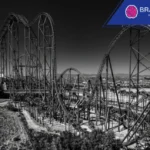


More than 100 riders have reportedly suffered traumatic brain injuries after riding the X2 roller coaster at Six Flags Magic Mountain X2 in Santa Clarita, California, according to ongoing civil lawsuits filed by legal counsel representing affected families.
The high-profile legal actions allege that the extreme rotational forces, rapid acceleration, and violent head-rattling design of the 4D coaster cause severe neurological trauma, in some cases requiring emergency brain surgery.
What Happened?
According to recently filed court complaints and attorney disclosures:
- A mother celebrating her child’s birthday suffered severe, violent head impacts against the seat rest during the ride, resulting in loss of consciousness and emergency room care.
- Multiple lawsuits allege over 100 former passengers experienced significant head trauma after riding X2.
- Another passenger experienced immediate neurological distress shortly after riding, requiring emergency brain surgery (craniotomy) to address life-threatening brain hemorrhaging.
- Legal filings contend that park operators failed to properly warn riders about the risk of sudden acceleration forces causing closed-head brain damage.
Following severe medical events reported by riders, state regulators and safety inspectors launched evaluations into the operational safety and restraint mechanics of the ride.
Riders Diagnosed With Traumatic Brain Injuries
Medical evaluations following emergency room admissions for affected riders revealed serious neurological conditions, including:
- Concussions and post-concussion syndrome
- Subdural hematomas and intracranial bleeding
- Severe blunt force head trauma
- Traumatic loss of consciousness and cognitive deficits
According to court records, several victims continue to suffer long-term neurological symptoms, including severe chronic migraines, dizziness, memory loss and permanent cognitive impairments.
Lawsuits Allege Gross Negligence and Design Defects
The legal complaints name both the amusement park operator and the ride’s manufacturer, detailing several key causes of action:
- Gross Negligence: Operating a high-speed attraction despite decades of reported rider injuries and neurological complaints.
- Design Defect: Utilizing a 360-degree rotating seat mechanism that exposes riders’ heads to violent rotational G-forces without sufficient head and neck support.
- Failure to Warn: Providing inadequate or misleading safety signage that failed to alert the public to potential brain hemorrhaging or traumatic head trauma risks.
Plaintiffs are seeking damages to cover costly neurosurgical procedures, long-term rehabilitation, loss of income, and ongoing medical monitoring.
How Roller Coasters Can Cause Brain Injuries
Extreme roller coasters subject the human body to rapid changes in speed and directional forces. When a coaster undergoes intense deceleration or violent rotational acceleration, the head is whipped rapidly, causing the brain to strike the inside of the skull wall—a mechanism known as a coupe-contrecoup injury.
Because symptoms of a closed-head injury or subdural bleed may not appear immediately after leaving the park, riders should seek emergency medical attention if they experience any of the following warning signs:
- Persistent or worsening headaches
- Dizziness, confusion, or disorientation
- Nausea, vomiting, or blurred vision
- Uncharacteristic mood changes or memory lapses
At the Brain Injury Help Center, we understand how devastating it is when a day of recreation and fun turns into a life-altering medical crisis. Our mission is to ensure victims and their families receive compassionate support, reliable medical insights, and trusted guidance through every stage of recovery.
If you or a loved one suffered a traumatic brain injury or head trauma after riding a roller coaster, you do not have to carry this heavy burden alone. Reach out to our dedicated team today at (866) 576-0936 or visit our website to explore your resources and learn how we can support your path toward healing.