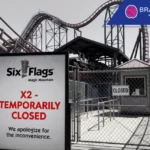


Six Flags Magic Mountain has officially announced the permanent closure and upcoming retirement of its iconic X2 roller coaster in Valencia, California after a surge of lawsuits and over 100 reported cases of traumatic brain injuries linked to the ride.
In a recent press conference, Park President Brian Oerding confirmed the decision, stating that although the attraction technically passed regulatory safety inspections, shutting down the 4D coaster permanently was “the right thing to do” to maintain guest safety and public trust.
Why Is Six Flags Closing X2?
The decision to permanently decommission the roller coaster comes after growing legal pressure and widespread safety concerns raised by former riders and medical professionals:
- 100+ Traumatic Brain Injury Claims: Attorneys representing former guests claim over 100 riders suffered severe closed-head trauma, severe concussions, and brain hemorrhages.
- Over 300 Safety Complaints: Park records and legal filings indicate hundreds of reports involving violent head shaking, loss of consciousness, and disorientation.
- Back-to-Back Emergency Hospitalizations: Recent incidents involved passengers requiring immediate emergency brain surgery (craniotomy) to treat life-threatening intracranial bleeding after getting off the ride.
- Loss of Public Confidence: Legal actions and media coverage prompted park executives to permanently retire the attraction rather than attempt further modifications.
A History of Severe Neurological Risks
Originally opened in 2002 as “X” and transformed into “X2” in 2008, the coaster featured 360-degree rotating seats and reached speeds up to 76 mph. Over its two decades of operation, more than 16 million passengers rode the attraction.
However, the ride’s unique mechanics exposed passengers to extreme multi-axis G-forces. A 2022 incident resulted in the death of 22-year-old Christopher Hawley, whose official cause of death was ruled as blunt traumatic brain injury caused by the ride’s intense motion. Subsequent legal filings allege that park management failed to adequately address warnings from medical experts regarding the coaster’s potential to cause neurological harm.
Attorneys Respond to Permanent Retirement
Legal teams representing dozens of injured riders welcomed the permanent closure while emphasizing that retiring the ride does not eliminate accountability for past harm:
- Gross Negligence & Failure to Warn: Lawsuits contend that Six Flags and ride manufacturers knew or should have known about the severe neurological risks posed by 4D rotational coasters.
- Inadequate Safety Signs: Attorneys argue that standard warning signs failed to adequately inform riders of potential brain hemorrhages or traumatic head injuries.
- Ongoing Litigation: Affected families continue to seek damages for medical expenses, emergency brain surgeries, long-term rehabilitation, and permanent disability.
How High-Impact Roller Coasters Cause Brain Injuries
Extreme roller coasters subject the human head and neck to violent whipping motions and sudden deceleration. These forces can cause the brain to bounce against the hard interior of the skull—a mechanism known as a coupe-contrecoup injury.
Riders exposed to extreme rotational forces should seek immediate emergency medical care if they experience any of the following symptoms after riding:
- Persistent or worsening headaches
- Dizziness, loss of balance, or disorientation
- Nausea or vomiting
- Concussion signs such as memory loss or blurred vision
- Sudden changes in mood, speech, or cognitive clarity
At the Brain Injury Help Center, we know how terrifying it is to experience a severe medical emergency during what should have been a fun outing. Our mission is to ensure victims and their loved ones receive compassionate support, trustworthy medical resources, and guidance every step of the way.