

Firefighter Recovering After Brain Injury in OCFA Rollover Crash
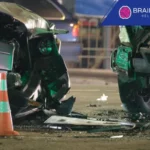
An Orange County Fire Authority (OCFA) firefighter is continuing a long road to recovery after suffering a brain injury in a rollover crash that seriously injured eight firefighters.
Matthew Nichols was among the crew returning from battling the Airport Fire in 2024 when their fire engine was involved in a collision and rolled over. The violent impact caused severe injuries, including a traumatic brain injury that left Nichols unable to speak.
Ongoing Recovery and Rehabilitation
Nichols is now undergoing intensive rehabilitation at a specialized facility. He is relearning how to speak, a process that can take months or years after a serious brain injury.
His wife, Clarissa Nichols, says recovery will likely be lifelong. She has documented each milestone, no matter how small.
- Learning to form words again
- Regaining basic communication skills
- Spending holidays together in rehab
- Watching their young son grow from a distance
“There are things along the way,” Clarissa said. “The first time he smiled. The first time he laughed.”
To remain close to her husband during treatment, Clarissa relocated to Nebraska, where the rehabilitation center is located.
Why Brain Injuries From Rollover Crashes Are So Severe
Rollover crashes often involve:
- Sudden violent motion
- Multiple points of impact
- Significant force to the head and neck
For first responders, these injuries can be especially devastating. Even with protective equipment, traumatic brain injuries may result in:
- Speech and memory loss
- Cognitive impairment
- Long-term disability
- Permanent life changes for the entire family
Rights After a Line-of-Duty Brain Injury
When a firefighter suffers a traumatic brain injury while on duty, California law provides important protections and potential compensation.
Injured firefighters and their families may be entitled to:
- Full medical care and rehabilitation
Covered under California Labor Code §§ 4600–4605, including hospitalization, neurological care, therapy, and long-term treatment. - Temporary or permanent disability benefits
Available if the brain injury limits the ability to work (Labor Code §§ 4650–4664). - Wage replacement and lost earning capacity
Compensation for missed work or permanent loss of future income. - Lifetime medical coverage
For catastrophic or permanent brain injuries related to duty. - Supplemental job-related benefits for first responders
Including presumptive protections under Labor Code § 3212 when applicable. - Third-party injury claims
If another driver, a defective vehicle, or an unsafe roadway caused or contributed to the crash, families may pursue additional compensation outside workers’ compensation. - Pain, suffering, and loss of quality of life damage
Available in third-party claims when negligence is involved. - Caregiving and support costs
Including in-home care, assistive devices, and life-care planning.
Important:
Workers’ compensation does not prevent families from pursuing third-party claims when someone outside the employer is responsible.
Brain injuries are often permanent and life-altering. Early legal guidance helps protect long-term medical care, financial stability, and family security.
How We Can Help
A brain injury can change a family’s life in an instant. You do not have to navigate the aftermath alone.
At the Brain Injury Help Center, we offer:
- Free consultations
- No-win, no-fee representation
- Comprehensive support, from understanding benefits to exploring legal options
If you or a loved one has suffered a brain injury in a serious crash, contact the Brain Injury Help Center today for a free consultation. We’re here to help you move forward.