

New Investigation Links Third Fatal Brain Injury to Closed Six Flags Magic Mountain X2 Roller Coaster
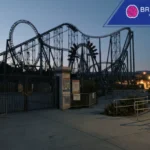
A new investigation links a third fatal traumatic brain injury (TBI) to Six Flags Magic Mountain’s permanently closed X2 roller coaster following the death of a 17-year-old Colorado visitor.
The report reveals at least 70 head injuries occurred on the extreme California attraction since 2010 amid delayed regulatory oversight.
Pattern of Head Trauma and Regulatory Scrutiny
According to a joint investigation by ProPublica and L.A. Times, 17-year-old Christopher Gibson visited the Valencia theme park in June on a high school graduation trip. After complaining of a severe headache, he was found unresponsive in his hotel room and died from blunt force head trauma.
Key findings from the investigation include:
- 70 Reported Head Injuries: Six Flags reported at least 70 head injuries involving X2 to California regulators since 2010.
- Delayed Oversight: A homicide detective notified Cal/OSHA in July about a potential connection to Gibson’s death, waiting nearly two months for a response.
- Minimal Investigations: Regulators attributed over 35 injuries to rider head positioning without conducting thorough probes.
- Permanent Closure: Following two additional serious brain injuries in July and a 2022 wrongful death lawsuit involving a 22-year-old rider, officials announced the Six Flags X2 permanent closure in September.
How Extreme Roller Coasters Cause Brain Injuries
Extreme roller coasters with rotating seats and sudden directional drops subject the human body to intense G-forces and rapid whiplash. Even without hitting a hard surface, violent acceleration forces the brain to strike the inside of the skull—causing closed-head trauma, bruising, or intracranial bleeding.
Symptoms like severe headaches, nausea, or confusion can appear hours after riding. Recognizing the early signs of concussion after accidents is vital for securing urgent medical imaging and preventing fatal neurological complications.
Theme Park Accountability and Legal Rights
Amusement park operators hold a legal duty to maintain safe attractions, monitor recurring injury patterns, and protect guests from foreseeable harm. Families affected by severe theme park head trauma may pursue compensation for medical expenses, wrongful death, and long-term care.
At the Brain Injury Help Center, we know how devastating it is when a celebratory trip or family outing ends in an unexpected neurological tragedy. Our mission is to provide surviving victims and grieving families with compassionate support, reliable medical information, and clear guidance every step of the way.
If you or a loved one has suffered a traumatic brain injury or persistent post-concussion symptoms following an amusement park ride or serious accident in California, you do not have to carry this burden alone. Reach out to our dedicated team today at (866) 576-0936 or visit our website to explore your rights and learn how we can support your recovery journey.