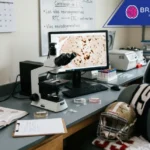


Researchers at Boston University’s CTE Center have released groundbreaking findings analyzing brain donations from deceased football players, confirming a direct link between repetitive head trauma and Chronic Traumatic Encephalopathy (CTE).
The study reveals that cumulative, subconcussive head impacts sustained across years of playing contact football—rather than just diagnosed concussions—drive the development and severity of progressive neurodegenerative brain damage in professional and amateur athletes.
Key Findings from the Boston University CTE Center
Neuropathologists examined hundreds of donated brains to understand how repetitive head collisions alter long-term brain health:
- High Incidence Rate: Researchers identified CTE neuropathology in an overwhelming majority of examined former NFL player brains.
- Impact of Career Length: Every additional year of playing tackle football significantly increased the likelihood and pathological severity of neurodegenerative disease.
- The Role of Subconcussive Hits: Routine, non-concussive helmet hits absorbed during practices and games contributed heavily to long-term neurological damage.
Clinical Symptoms Associated with CTE Progression
Chronic Traumatic Encephalopathy is characterized by abnormal deposits of hyperphosphorylated tau proteins around blood vessels deep within the brain’s sulci. As these protein tangles spread, individuals experience severe symptoms:
- Cognitive Decline: Progressive memory impairment, executive dysfunction, confusion, and difficulty focusing.
- Mood and Behavioral Changes: Severe depression, emotional instability, impulse control issues, and aggression.
- Motor Symptoms: Balance difficulties, speech problems, and tremors resembling Parkinson’s disease in advanced stages.
Because current diagnostic standards confirm CTE only through post-mortem brain autopsy, clinical teams continue working toward developing reliable in vivo biomarkers. Recognizing the early signs of concussion after accidents remains critical for protecting athlete safety and managing immediate head trauma.
Long-Term Health and Legal Accountability
The findings add vital evidence to discussions regarding contact sports safety, youth participation rules, and concussion protocols. Neurologists emphasize that minimizing routine head impacts in training sessions is essential to safeguarding athletes’ long-term neurological health. Furthermore, this research continues to influence ongoing athletic concussion litigation and care compensation programs.
At the Brain Injury Help Center, we recognize the profound physical, emotional, and psychological toll repetitive head trauma takes on athletes and their loved ones. Our mission is to provide families with compassionate guidance, reliable educational resources, and a trusted support network as they navigate neurological health challenges.
If you or a loved one is experiencing persistent cognitive symptoms, behavioral changes, or difficulties following a history of contact sports and head impacts, you do not have to face this alone. Call us or visit our website to learn how we can support your family’s path toward care and recovery.