

Stanford University professor and neuroscientist Dr. Karl Deisseroth was awarded the 2026 Nobel Prize in Physiology or Medicine for his pioneer work in optogenetics—a revolutionary technology that uses light to control individual brain cells.
Despite receiving one of the world’s highest academic honors, Dr. Deisseroth paused a morning filled with international media interviews and global congratulatory calls to fulfill an everyday family commitment: making school lunches for his children.
What Is Optogenetics?
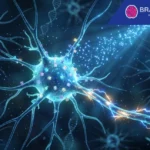
Optogenetics is a breakthrough technology that combines genetic engineering with optics, allowing scientists to turn specific groups of brain cells on or off using precise flashes of light.
Key aspects of the discovery include:
- Light-Sensitive Proteins: Researchers introduce special proteins into targeted brain cells.
- Mapping Brain Circuits: The method enables researchers to examine how individual neural circuits govern memory, emotion, physical movement, and behavior.
- Targeted Neural Control: Shining specific light wavelengths activates or silences targeted neurons instantly.
Dr. Deisseroth shared the Nobel Prize with fellow researchers Peter Hegemann and Georg Nagel for their joint contributions in discovering and refining light-sensitive proteins for neural control.
Balancing World-Class Science and Family Life
As a practicing psychiatrist and researcher, Dr. Deisseroth treats patients suffering from complex neurological conditions while running an active bioengineering laboratory at Stanford.
The middle-of-the-night call from the Nobel Committee in Stockholm interrupted a typical quiet evening at home. After spending hours speaking with reporters and university leaders, Dr. Deisseroth stepped away from the media spotlight during the morning rush to prepare lunches for his school-going children alongside his wife, Dr. Michelle Monje-Deisseroth, who is also a prominent neuroscientist.
Implications for Brain Injury and Neurological Health
The development of optogenetics has transformed how researchers examine the brain after physical trauma or neurodegenerative illness.
By enabling precise control over specific neural pathways, scientists can now study:
- Post-Traumatic Brain Rehabilitation: Identifying how injured brain tissue reroutes neural signals following traumatic brain injury (TBI).
- Targeted Neurological Therapies: Developing future treatments for mood disorders, severe depression, autism, and movement impairments without affecting healthy brain tissue.
- Circuit-Level Repair: Understanding how damaged circuits recover function over time.
At the Brain Injury Help Center, we remain inspired by scientific advancements that deepen our understanding of the human brain. We understand the daily physical and emotional challenges faced by individuals navigating neurological conditions and brain injuries, and we are committed to providing reliable guidance and support.
If you or a family member is coping with the lingering effects of a traumatic brain injury due to an accident, you do not have to walk this recovery journey alone. Reach out to our team today at (866) 576-0936 to access supportive resources and explore your care options.