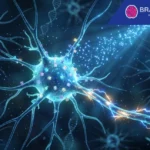


A groundbreaking new study reveals that modulating calcium activity in the brain’s immune cells—known as microglia—could be key to improving the body’s response to traumatic brain injury (TBI) and neurodegenerative diseases like Alzheimer’s.
Researchers from several institutions, including the Max Delbrück Center in Germany and labs in China, found that overexpressing a protein called PMCA2—which helps regulate calcium levels inside microglial cells—significantly reduces brain inflammation and neuronal damage after injury or in disease models.
What Are Microglia and Why Do They Matter?
Microglia are the brain’s resident immune cells—its frontline defenders. They monitor the brain environment, respond to danger, and help clear out damage. One of their most critical tools is calcium signaling (Ca²⁺), which controls essential functions like:
- Monitoring brain tissue health
- Clearing out cellular waste
- Releasing inflammatory molecules
- Cleaning amyloid plaques (linked to Alzheimer’s)
However, when calcium signaling becomes dysregulated—such as after a traumatic brain injury—it can worsen inflammation and increase neurological damage.
What Did the Study Find?
The scientists genetically modified mice so their microglial cells would produce more PMCA2, a calcium pump that removes excess calcium from inside the cells. The results were promising:
- Reduced brain inflammation in acute injury models
- Lower microglial proliferation, preventing overactive immune responses
- Fewer amyloid plaques in Alzheimer’s disease models
- No negative impact on behavior or survival
What Does This Mean for Brain Injury Survivors?
While still in early stages, this research offers hope for future therapies that can fine-tune the immune response in the brain without suppressing it entirely.
At Brain Injury Help Center (BIHC), we understand that traumatic brain injuries often go beyond visible symptoms like speech or motor issues. They can involve hidden processes—internal inflammation, chemical imbalances, or immune overactivation. This study highlights the potential for precision-based treatment that works from inside the brain to restore balance and improve recovery.
Our Commitment: We will closely follow breakthroughs like this that have the potential to transform medical care for brain injury victims—from accident-related trauma to degenerative diseases.
Have you or a loved one suffered a brain injury? We can help you access the medical, legal, and emotional support you need.
Contact us today. At BIHC, we fight for the medical treatment you need and the money you deserve.