


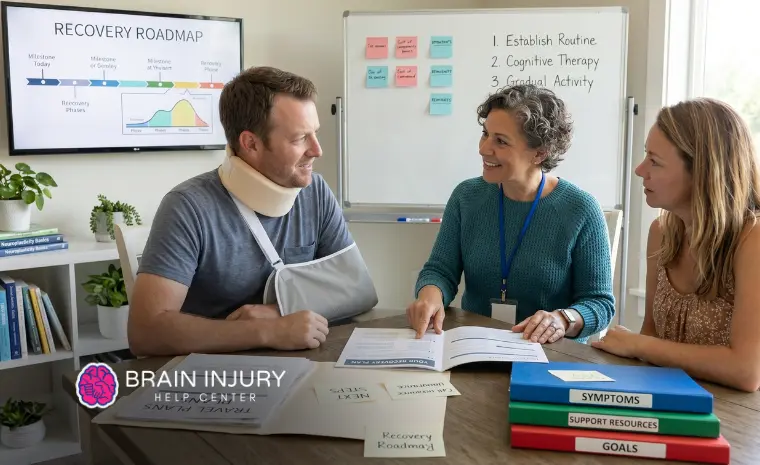
Summer is a time for family vacations, road trips, amusement parks, beaches, and outdoor adventures. Unfortunately, these activities can also increase the risk of accidents and head trauma. Brain injuries during summer often occur when families are traveling, participating in recreational activities, or spending more time outdoors than usual.
Many people associate traumatic brain injuries with catastrophic accidents, but even seemingly minor incidents can cause lasting neurological damage. A fall at a vacation rental, a bicycle crash, or a rear-end collision during a road trip may result in symptoms that are not immediately obvious. Understanding the risks and recognizing warning signs can help families seek treatment quickly and prevent serious complications.
Why Injury Risks Increase During Summer Vacations
Summer vacations often place families in unfamiliar environments and situations that increase the likelihood of accidents. Longer driving hours, crowded tourist destinations, outdoor recreation, and changes in daily routines can all contribute to safety risks.
Many travelers spend extended periods on the road, which may lead to driver fatigue, distracted driving, or reduced reaction times. At the same time, activities such as swimming, boating, biking, hiking, and amusement park visits expose families to hazards that are less common during the rest of the year.
Common summer risk factors include:
Risk Factor | Potential Brain Injury Risk |
Road trips | Vehicle collisions |
Swimming and boating | Falls and impact injuries |
Bicycle riding | Head trauma from crashes |
Hiking | Falls on uneven terrain |
Amusement parks | Impact-related injuries |
Sports activities | Concussions and TBIs |
According to the Centers for Disease Control and Prevention (CDC), falls and motor vehicle crashes remain among the leading causes of traumatic brain injuries in the United States. Understanding these risk factors can help families take proactive steps to reduce the likelihood of serious injuries while traveling.
Common Travel-Related Accidents That Cause Head Trauma
Many accidents that occur during vacations can lead to serious head injury complications, ranging from mild concussions to more severe traumatic brain conditions.
Car Accidents
Summer travel increases congestion on roadways across California, particularly on Interstate 5, Highway 101, and Interstate 405. Even low-speed crashes can cause concussions, head trauma, and neurological symptoms that may not appear immediately.
Slip and Falls
Hotels, vacation rentals, swimming pools, and tourist attractions may contain hazards that increase fall risks. A seemingly minor fall can result in a significant head injury, especially among children and older adults.
Bicycle and Scooter Accidents
Popular vacation activities often involve bicycles, scooters, and other recreational devices. A sudden collision can result in serious head trauma, even when riders wear helmets.
Water-Related Incidents
Near-drownings and diving accidents may lead to neurological damage due to oxygen deprivation or direct impact to the head.
These incidents become more common during summer travel because families spend more time outdoors, on the road, and participating in recreational activities.
Children and Older Adults Face Higher Risks
Certain groups are especially vulnerable during summer travel.
Age can play a significant role in recovery after a head injury. Children and older adults often face unique risks that families should understand before traveling.
Without proper treatment, some individuals may develop lasting challenges that affect their quality of life, including memory problems, emotional changes, and difficulty performing daily tasks.
Children
Children frequently engage in active play, sports, biking, and water activities. Their developing brains are more susceptible to injury, and they may struggle to communicate symptoms effectively.
Older Adults
Older adults face increased fall risks due to balance issues, mobility limitations, and medication side effects. Even a seemingly minor fall can lead to serious brain trauma.
Population Group | Common Risk |
Children | Playground and sports injuries |
Teens | Bicycle and vehicle accidents |
Older Adults | Falls and mobility-related accidents |
Families should pay close attention to symptoms following any head impact, regardless of age.
Signs Families Should Never Ignore
Recognizing early signs of brain injury can significantly improve recovery outcomes.
Watch for:
- Persistent headaches
- Dizziness or balance problems
- Memory loss or confusion
- Nausea or vomiting
- Sensitivity to light or noise
- Mood or personality changes
- Excessive fatigue
- Loss of consciousness
Some individuals may also experience cognitive deficits, including difficulty concentrating, processing information, or remembering recent events. Others may develop social-emotional deficits, such as anxiety, irritability, depression, or changes in behavior. Because these symptoms can worsen without treatment, families should know when professional medical evaluation is necessary.
When to Seek Medical Evaluation
Seek medical attention immediately if symptoms develop following any accident involving a blow to the head or sudden impact.
Medical evaluation is particularly important when:
- Symptoms worsen over time
- Loss of consciousness
- Memory problems develop
- Balance issues persist
- A child exhibits unusual behavior
- An older adult experiences a fall
Prompt treatment may help reduce complications and improve long-term outcomes. Early intervention can also support future rehabilitation efforts if additional care becomes necessary.
How Brain Injuries Are Diagnosed and Documented
Doctors use several tools to diagnose traumatic brain injuries.
These may include:
- Neurological examinations
- Cognitive testing
- CT scans
- MRI imaging
- Balance and coordination assessments
Proper documentation serves two important purposes. First, it guides treatment and recovery. Second, it helps establish evidence if an injury claim becomes necessary.
A diagnosis is only the beginning of the recovery process. Depending on the severity of the injury, many patients require ongoing treatment and rehabilitation long after their initial medical evaluation.
Recovery Often Requires More Than Emergency Care
Recovery from a serious head injury may continue long after the initial accident. Depending on the severity of the condition, patients may benefit from:
Treatment Type | Purpose |
Physical therapy | Improve strength, balance, and mobility |
Occupational therapy | Restore daily living and work-related skills |
Cognitive rehabilitation | Improve memory and concentration |
Mental health counseling | Address emotional and behavioral changes |
These treatments can play an important role in restoring function, increasing independence, and improving overall quality of life.
What Families Should Know About Legal Rights After an Accident
When someone else’s negligence causes a serious head injury, families may have legal options.
California Civil Code §1714 generally holds individuals responsible for harm caused by their negligence. Additionally, California Code of Civil Procedure §335.1 typically gives victims two years to file a personal injury lawsuit.
Compensation may include:
- Medical expenses
- Rehabilitation costs
- Lost wages
- Future care needs
- Pain and suffering
Because insurance companies often dispute traumatic brain injury claims, proper documentation becomes critical.
How a California Brain Injury Lawyer Can Help
Serious traumatic brain injuries often involve complex medical evidence and long-term damage.
A skilled California brain injury lawyer can:
- Gather medical records
- Work with neurological experts
- Calculate future medical costs
- Negotiate with insurance companies
- Pursue compensation for long-term losses
Families dealing with injuries during the summer may benefit from legal guidance when an accident results from someone else’s negligence.
A qualified California brain injury lawyer helps ensure the full impact of the injury is recognized and properly documented.