


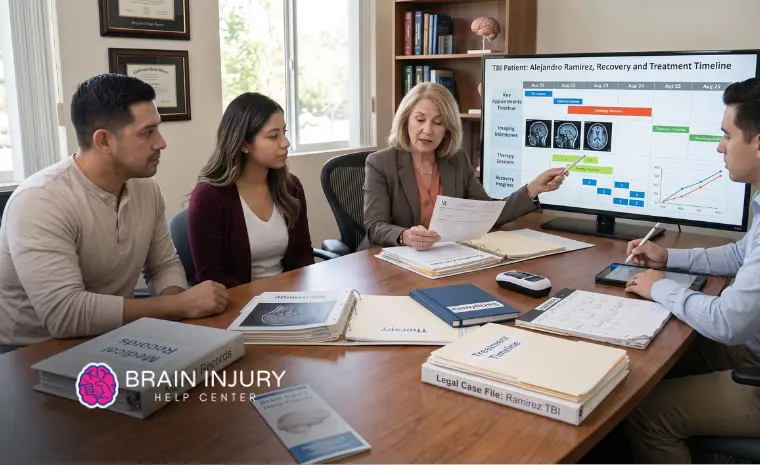
Brain injuries are not always visible, but they can change every part of a person’s life. Filing TBI claims after an accident often depends on more than describing symptoms.
Strong documentation can help show how the injury happened, how it affects daily life, and why compensation may be justified. Whether the injury resulted from a crash, a workplace incident, or another serious event, gathering the right evidence early can make a significant difference.
Here’s why medical documentation plays such an important role throughout the claims process.
Why Medical Records Matter in a TBI Claim
When pursuing compensation, documentation often carries more weight than personal statements alone.
Medical records create a timeline that links your symptoms to the accident. They also show the progression of your recovery and the treatment recommended by healthcare providers.
A California brain injury lawyer may rely on these documents to demonstrate:
- The date and cause of the injury
- Initial diagnosis and follow-up visits
- Recommended treatment plans
- Physical, cognitive, and emotional symptoms
- Future medical needs
These records can also help counter arguments from insurance companies that an injury existed before the accident or was unrelated to it.
California follows a comparative negligence system under California Civil Code §1714, meaning compensation may still be available even if an injured person shares part of the responsibility. Strong documentation can help establish the extent of injuries and support the facts of the case.
What Medical Records Can Help Prove a Traumatic Brain Injury
Not every document carries the same value. Together, however, they help create a complete picture of the injury.
Record Type | How It Helps |
Emergency room records | Document the initial condition after the accident |
Physician notes | Track symptoms and treatment progress |
CT scans and MRI results | Identify visible abnormalities through medical imaging |
Imaging reports | Explain findings from diagnostic imaging |
Neurology evaluations | Assess neurological function |
Neuropsychological evaluation | Measure memory, concentration, and cognitive function |
Therapy notes | Document rehabilitation progress |
Hospital discharge summaries | Outline diagnosis and recovery instructions |
Prescription records | Show medications prescribed for ongoing symptoms |
Some victims experience a mild TBI, while others suffer diffuse axonal injury or other forms of brain damage affecting brain tissue. Even when scans appear normal, physicians may diagnose a traumatic brain injury based on symptoms and clinical findings.
Keeping every medical record can strengthen your case.
Medical Documentation Connects Your Injury to the Accident
One of the biggest challenges in filing TBI claims after an accident is proving that the injury resulted directly from the incident.
This connection becomes stronger when treatment begins immediately after events such as:
- Vehicle accidents
- A truck accident
- Slip and fall incidents
- Other high-impact collisions
Doctors often describe how sudden deceleration can cause the brain to move within the skull, leading to injuries that may not appear immediately.
Helpful supporting evidence may include:
- Police reports
- Witness statements
- Photos of the accident scene
- Incident documentation
- Employment and wage information
When these records align with your healthcare history, they create a clearer narrative for insurers and, if necessary, the court.
Common Mistakes That Can Weaken a TBI Claim
Certain decisions can make proving a claim more difficult.
Avoid these common mistakes:
- Delaying medical care
- Missing follow-up appointments
- Ignoring recommended medical treatment
- Failing to save medical reports
- Returning to work too soon
- Posting accident details on social media
- Waiting too long to speak with a personal injury attorney
California generally imposes a statute of limitations for personal injury claims, making it important to act promptly.
Some people also assume symptoms will disappear. However, conditions like post-concussion syndrome or permanent brain damage may develop over time, making consistent documentation even more important.
If a healthcare provider’s negligence contributed to the injury or worsened the outcome, separate issues of medical negligence may also arise.
HoMedical Records Support Fair Compensation for TBI Victims
Proper documentation affects more than proving an injury. It also helps establish the claim’s value.
Medical evidence may support compensation for:
- Current and future medical bills
- Ongoing medical costs
- Lost income
- Future reduced earning capacity
- Rehabilitation expenses
- Long-term care
- Economic damages
- Non-economic damages, including pain and suffering
Serious cases may also involve projections prepared by vocational experts, who evaluate how the injury affects future employment.
Because some brain injuries require years of treatment, documentation helps estimate the long-term cost of recovery and forms part of a comprehensive damages model.
If negotiations fail, these records often become critical evidence in a personal injury lawsuit.
Working with an experienced California brain injury lawyer can help ensure documentation is properly organized and presented while explaining your available legal options.
Tips for Protecting Your Brain Injury Claim
If you suffered a head injury after an accident, these steps may help strengthen your claim:
- Seek medical evaluation immediately.
- Follow every treatment recommendation.
- Keep copies of all medical records.
- Save receipts and appointment summaries.
- Maintain a journal describing symptoms.
- Preserve accident-related evidence.
- Consult a lawyer before accepting a settlement.
These actions also support your long-term brain health by encouraging consistent treatment and monitoring.