

A pedestrian crash can change a family’s priorities in seconds when a blow or jolt to the head causes confusion, memory problems, or loss of consciousness. Knowing what to do after a pedestrian accident brain injury can protect health and important legal rights in California.
Some brain injury symptoms appear immediately, while others may develop hours or days later, making early evaluation and careful documentation essential. The steps taken after the collision can also affect insurance and compensation issues.
Here is how injured pedestrians and families can respond with greater clarity.
Seek Immediate Evaluation for a Possible Brain Injury
Medical care should come first after a serious impact. A traumatic brain injury can result from a direct blow or rapid movement inside the skull. Possible injuries include concussion, skull fracture, and brain bleeds.
The Centers for Disease Control and Prevention explains that mild TBI can affect thinking, mood, sleep, balance, vision, and memory. Seek immediate medical attention for worsening headache, repeated vomiting, seizures, slurred speech, unequal pupils, increasing confusion, or extreme drowsiness.
A medical professional may recommend diagnostic testing. Follow medical treatment instructions and attend follow-up appointments. Serious cases may require physical therapy, speech therapists, neurologists, or other rehabilitation specialists.
Report the Pedestrian Accident and Document the Scene
Report the pedestrian accident to law enforcement and obtain the police report number. If it is safe, preserve evidence.
- Photograph the roadway, crosswalk, signals, vehicle, clothing, and visible injuries
- Get names and contact information for witnesses
- Ask nearby businesses to preserve surveillance video
- Keep driver and insurance information
- Note lighting, traffic, weather, and road conditions
An accident reconstruction expert may use photographs, vehicle damage, and video to assess how the collision occurred.
Preserve Evidence of Your Brain Injury and Related Losses
Because brain injuries are not always visible, keep medical records, bills, prescriptions, work restrictions, and specialist referrals.
Families can maintain symptom journals documenting headaches, memory changes, dizziness, sleep disruption, concentration problems, or emotional distress. These details may help show how brain trauma affects daily life.
Also, preserve proof of medical expenses, lost wages, transportation costs, and caregiving needs. A medical expert may help explain diagnosis, functional limitations, and future care needs.
Avoid Common Mistakes With Insurers
Sometimes, insurance companies may request recorded statements, broad authorizations, or early settlements. Avoid guessing about the fault or minimizing symptoms before the injury is fully evaluated.
Do not sign a release without understanding its effect. An early offer may not account for future care, cognitive limitations, or pain and suffering. Be cautious with social media because posts can be taken out of context during insurance claims.
Understand Your Rights Under California Pedestrian Accident Laws
California Vehicle Code Section 21950 requires drivers to yield to pedestrians in marked crosswalks and unmarked crosswalks at intersections. Drivers must also exercise due care to protect pedestrians.
Under Vehicle Code Section 21954, pedestrians crossing outside those crosswalks generally must yield to vehicles close enough to create an immediate hazard. Drivers still retain a duty of care.
California follows comparative fault principles. Shared responsibility may reduce damages.
For many personal injury cases based on negligence, Code of Civil Procedure Section 335.1 provides a two-year filing period. Shorter procedures can apply when a government entity is involved.
Consider Legal Help for Your Pedestrian Brain Injury Claim
Knowing what to do after a pedestrian accident brain injury includes recognizing when legal guidance may help. A California brain injury lawyer can review liability, insurance, evidence, and potential damages.
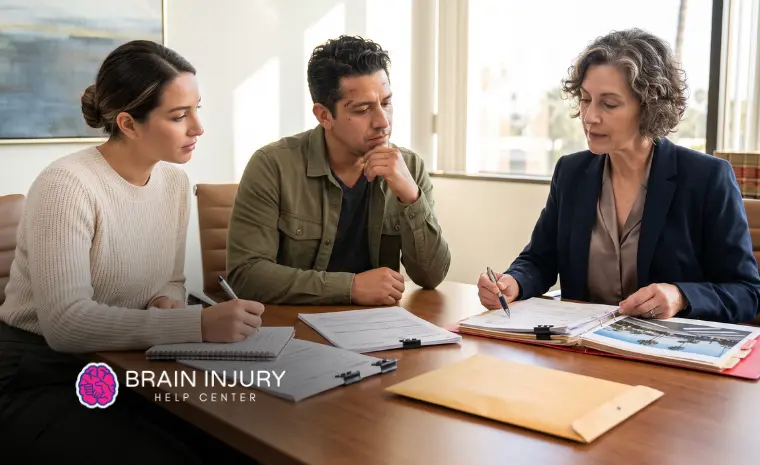
Legal representation may be valuable when injuries are severe, fault is disputed, or future care remains uncertain. A personal injury attorney can preserve evidence, communicate with insurers, and evaluate a personal injury claim.
Personal injury lawyers may also review treatment history, employment losses, witness accounts, roadway conditions, and expert opinions. Whether the crash occurred in San Diego, Los Angeles, or elsewhere in California, organized evidence can simplify the evaluation.